


Nova Scotia homeowners with onsite wastewater systems benefit from regular pumping, inspections and practical maintenance habits. Because many properties are rural, seasonal or outside sewered areas, it pays to understand what normal performance looks like and when it is time to call a local septic professional.
How septic systems work in Nova Scotia
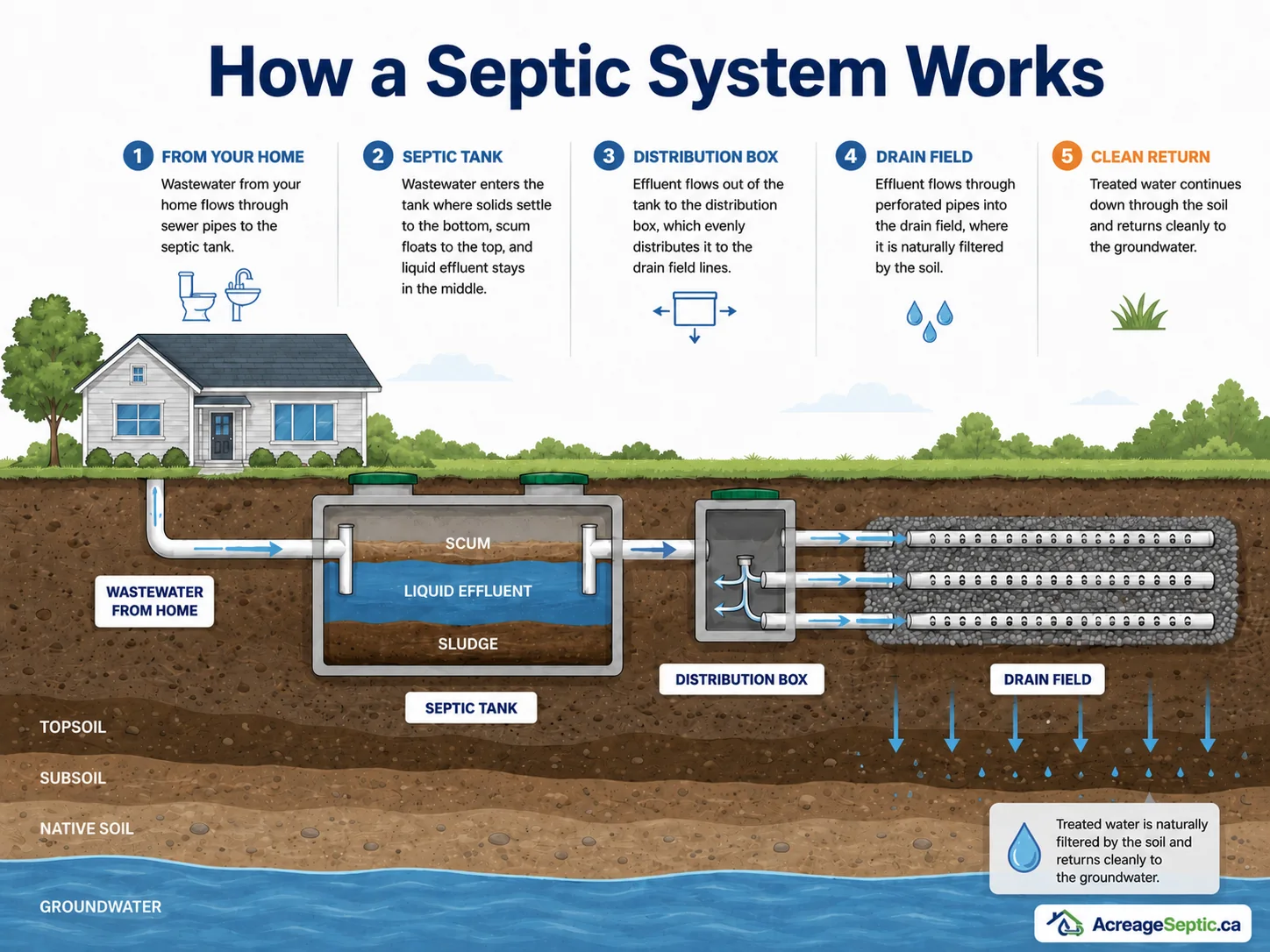
A septic system collects wastewater from the home, separates solids in the tank and then relies on the next treatment stage—commonly a drain field—to finish the job. Weather, lot conditions, system age and water use habits all affect how well that process works over time.
When to call for pumping, inspection or repair
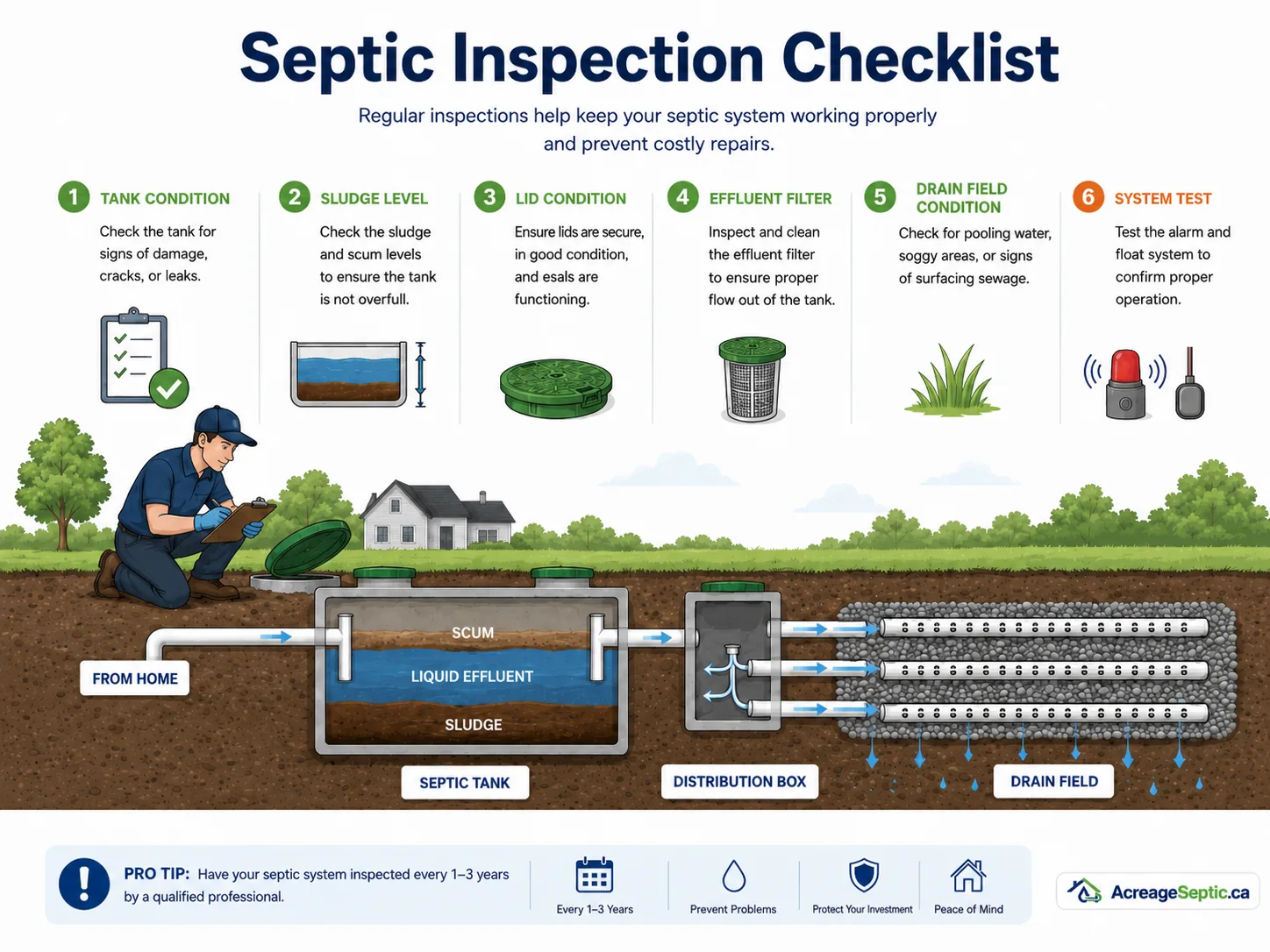
Slow drains, bad odours, wet patches in the yard, bright green grass over the field and interior backup are all reasons to arrange service. Routine inspections can also help determine whether a system is simply due for pumping or whether additional repair work may be needed.
Maintenance tips for Nova Scotia homeowners
- Have the system inspected and pumped on a schedule that fits your household size and usage.
- Keep lids accessible and safe so future service can be done efficiently.
- Protect the drain field area from compaction, runoff and encroaching roots.
- Check local and provincial requirements before replacement or new installation work.
Use this Nova Scotia page to find your town and the operator listed for your service territory. Confirm by phone whether the company handles the exact service you need and whether emergency or seasonal service is available.